
Most people think of clogged gutters as a cosmetic nuisance — water spilling over the edge in a storm, a stain down the siding. The expensive version of the problem is happening underground, and by the time it is visible it is a foundation contractor rather than a gutter cleaning.
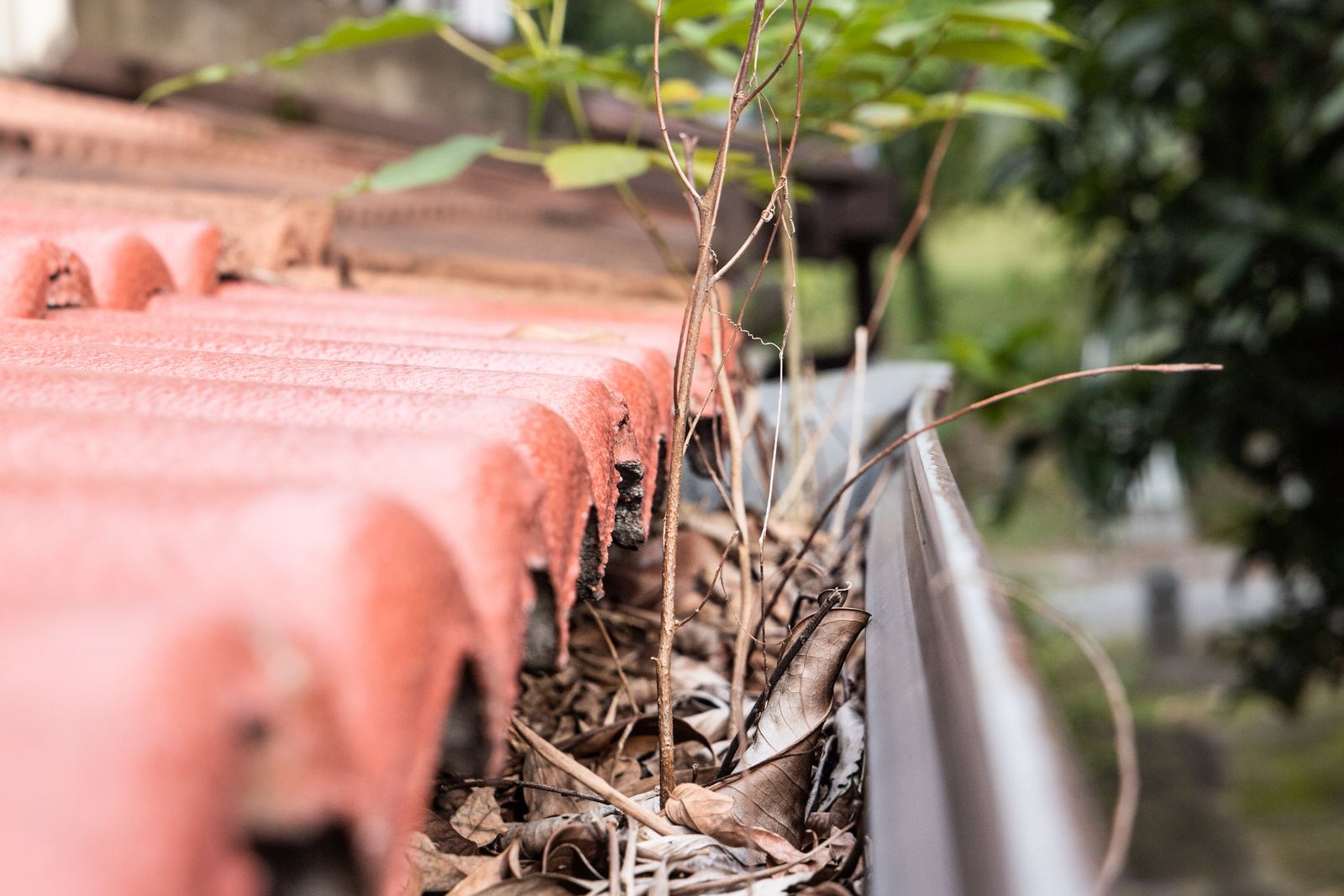
The Mechanism, Plainly
A roof is a large water collection surface. An average Nashville home sheds thousands of gallons a year, and the entire job of the gutter system is to move that water away from the foundation before it soaks in.
When the system is blocked, that water does not disappear. It goes over the edge in a concentrated sheet and lands in a narrow band right against the foundation wall — exactly where you least want it. Repeat that through a Middle Tennessee storm season and you are cycling the soil against the footing between saturated and dry, over and over.
Why Middle Tennessee Soil Makes It Worse
This region sits largely on clay-heavy soils over limestone. Clay is the relevant part: it swells when it takes on water and shrinks when it dries, and it does so with real force.
A foundation sitting in soil that expands and contracts repeatedly is being pushed and released on a cycle. That is the mechanism behind most of the differential settlement you see in older Nashville homes — not one dramatic event, but hundreds of small ones. Overflowing gutters concentrate that cycle in specific spots rather than spreading it evenly, which is why cracking so often shows up at one corner of a house rather than uniformly.
Our rainfall pattern compounds it. Roughly 47 inches a year, but delivered unevenly — intense spring storms, then dry stretches in late summer. That is the swell-shrink cycle in its most aggressive form.
What to Look For
- Soil eroded or trenched below the gutter line. The clearest sign water is coming over the edge regularly.
- Splash staining on siding or brick up to a foot or two above grade.
- Mulch washed out of beds in the same spot after every storm.
- Standing water against the foundation hours after rain stops.
- Doors and windows sticking seasonally — often the first interior symptom of movement.
- Stair-step cracking in brick or block, especially near one corner.
- Damp or musty crawlspace — extremely common here and frequently traced to roof water rather than groundwater.
The Cheap Fixes, In Order
- Clear the gutters and verify the downspouts actually run. Water at the top of a downspout means nothing; what matters is flow at the discharge end.
- Extend the discharge. Getting water four to six feet from the foundation instead of dumping it at the base is the single highest-value thing on this list, and it costs almost nothing.
- Check the grade. Soil should fall away from the house. Over decades it often settles the other way.
- Fix pitch and sagging runs so water reaches the downspouts instead of pooling and overflowing mid-run. See gutter repair.
- Then, and only then, consider drainage work. French drains and regrading are real solutions to real problems, but they are expensive and they are frequently sold to people whose actual problem was a blocked downspout.
That order matters. We have been to plenty of Nashville houses where someone was quoted five figures for drainage work and the actual issue was two packed downspout outlets and no extensions.
Foundation and Drainage FAQs
Can clogged gutters really crack a foundation?
Not on their own and not quickly. What they do is concentrate repeated soil saturation at specific points, and on Middle Tennessee clay that swell-shrink cycling is a genuine mechanism behind differential settlement. It is a slow problem, which is exactly why it is worth heading off cheaply.
How fast does this happen?
Years, usually. That is the good news — it means clearing gutters and adding downspout extensions now prevents almost all of it. The bad news is that nothing looks wrong until quite late.
My crawlspace is damp. Is that groundwater or my gutters?
Very often roof water. Before spending money on encapsulation or a sump, verify the downspouts run clear and discharge well away from the house. It is the cheapest thing to eliminate and it is the answer more often than people expect.
Do downspout extensions really matter that much?
Yes — it is the highest-value, lowest-cost item on the list. Moving discharge four to six feet out changes where thousands of gallons a year end up.
I already have foundation cracks. Is it too late?
No, but the gutters are now the maintenance item rather than the fix. Get the water controlled so whatever repair you do is not undermined, and have the cracks assessed by a foundation contractor rather than by us — that is not our trade.
Should I get a French drain?
Possibly, but not first. Clear the gutters, verify the downspouts, extend the discharge and check the grade. If water still pools after all that, then drainage work is solving a real problem rather than an imagined one.
Get the Water Moving Away From Your House
Call or text (615) 265-1914 or send the form — same-day response. Cleaning and a downspout extension is the cheapest insurance available. See downspout cleaning.