
After a Middle Tennessee storm rolls through, half the neighborhood’s trees end up on the rooftops — and everything up there washes into the gutters with the next rain. We clear roof surfaces, valleys, and storm debris safely, so your roof lasts longer and your gutter cleaning isn’t undone in a week.
✓ Storm limb removal ✓ Valleys cleared by hand ✓ Never pressure washed
What’s Sitting on Nashville Roofs
Storm limbs and branches. Spring supercell season and summer downbursts drop hackberry and silver maple limbs constantly — silver maple especially, since it grows fast and sheds weak wood. Limbs left on shingles grind granules off every time the wind shifts them.
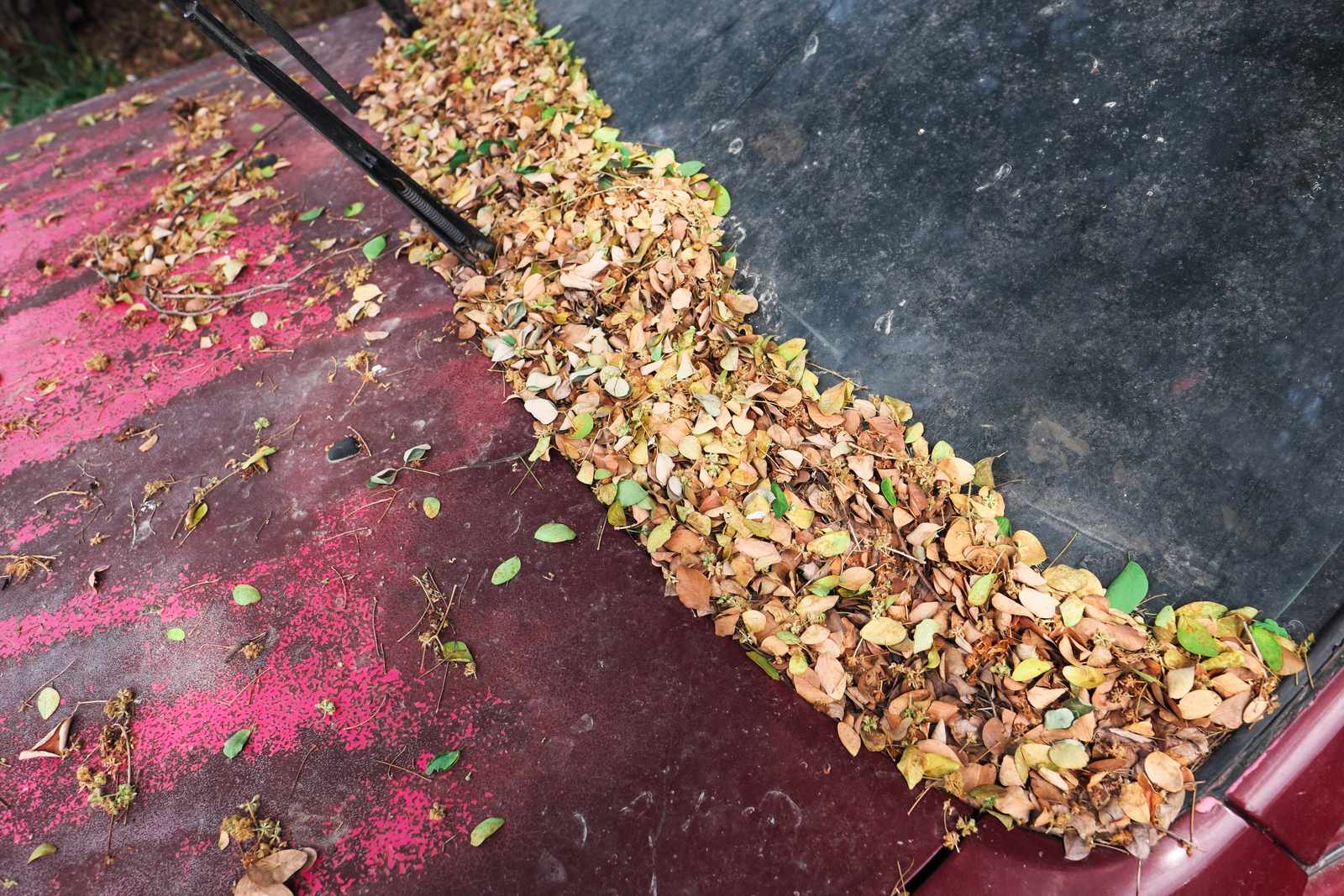
Leaf mats in the valleys. Valleys are the roof’s own gutters, and when they pack with wet leaves, water is forced sideways under shingle edges. That’s the origin story of most “mystery” ceiling stains — the leak starts a year before the stain shows.
Debris banked behind chimneys and dormers. The collection points you can’t see from the driveway, quietly holding moisture against the roof.
The shade-side film. North-facing slopes under Nashville’s canopy hold moisture, grow algae streaks, and feed moss — all of it anchored by the debris layer.
How We Clear It
Air, not water pressure. The surface gets blown clean — pressure washing strips granules and voids shingle warranties, so we never use it on a roof.
Valleys and chimney backs worked by hand where debris is packed too tight to blow, always with the shingle direction.
Limbs cut down to size and lowered — not dragged across the shingles.
Gutters and outlets checked after, because a roof clearing pushes some debris downhill. Bundled with a full gutter cleaning, the whole roofline gets reset in one visit.
When It’s Worth Doing
After any storm that leaves visible debris — the grinding damage starts immediately. Late fall, once the oaks and maples finish, so valleys go into winter clear. Annually under heavy canopy — East Nashville, Green Hills, Belle Meade, and older Franklin streets carry year-round debris loads. If you can see green streaks or a debris line from the street, the valleys are already packed.
How Roof Debris Becomes a Roof Leak
It runs in stages, and each one is quieter than it should be. A packed valley dams storm water and pushes it sideways under the shingle edges — no drip inside yet, just wet decking. The debris mat holds that moisture between rains, so the wood never dries; algae shows up first on the shaded slope, then moss, and moss lifts shingle edges the way tree roots lift sidewalk. By the time a ceiling stain appears in the hallway, the decking above it has usually been wet on and off for a year. Every stage is cheap to interrupt and expensive to reach — a debris clearing costs about as much as a tank of diagnostic caulk from a roofer, and unlike the caulk, it addresses the cause.
The Nashville Debris Calendar
Roof debris is seasonal here in a way that catches people out, because the worst month is not the one they expect.
- March–May. Storm season. Wind brings down small limbs and green leaf litter, and this is when valleys pack fastest. Also peak pollen, which binds everything into a mat.
- June–August. Quieter for debris, but heat bakes what is already there into a compacted layer that holds moisture underneath.
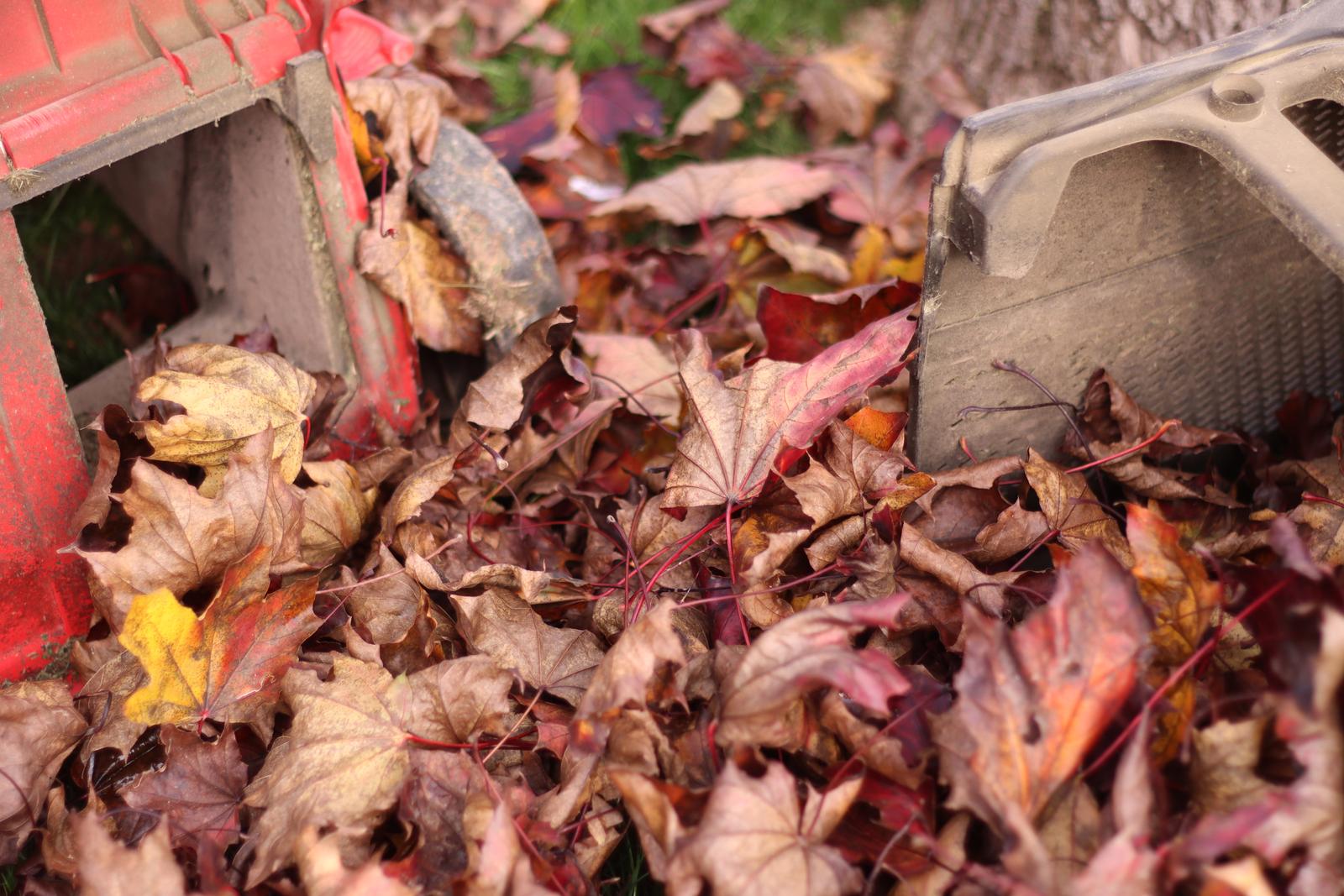
- October–November. The obvious one. Hackberry, maple and sweetgum drop over several weeks rather than all at once, which is why a single early clearing usually is not enough.
- December–February. Wind strips whatever is left, and ice storms bring down limbs. Debris sitting in a valley through a freeze holds water against the shingle at the worst possible time.
For most Nashville homes under mature trees, twice a year — late spring and late fall — is the honest answer. Homes with a heavy canopy directly overhead need a third look.
What Roof Debris Removal Costs
- Bundled with a gutter cleaning — usually $50 to $125 added, and this is how most of our customers do it.
- Standalone visit, single story — $125 to $225.
- Standalone visit, two story or steep pitch — $175 to $350.
- Heavy accumulation or post-storm limb removal — quoted after we look, because there is no useful average.
All published numbers are on the cost page.
These ranges reflect typical Middle Tennessee homes and are a guide only, not a quote. The firm number comes after we have looked at the roofline.
Where We Draw the Line
- We do not pressure wash roofs. High pressure strips shingle granules. Debris comes off by hand and with a blower, never with a wand.
- We do not remove large limbs or fell trees. Anything requiring a saw and rigging is a tree service.
- We do not walk brittle or steep roofs. If a roof is not safe to be on, we clear what we can reach and tell you honestly what we could not.
- We do not repair roofs. We will photograph and flag lifted shingles, exposed nails and failing boots, and you call a roofer.
Roof Debris Removal FAQs
Does blowing off a roof hurt the shingles?
No. Air is harmless to asphalt shingles — rot, moss, and pressure washers are what kill them.
Do you walk on the roof?
Where pitch and conditions allow, yes, carefully and with the shingle direction. Steep sections get worked from ladders and edges instead.
A storm just dropped a big limb up there. Can you handle it?
Yes — we section limbs on the roof and lower the pieces rather than dragging them off. If it’s punctured the deck, we document it with photos for your roofer or insurance.
Is some of this included with gutter cleaning?
A light blow-off just above the gutter line, yes. Full-surface clearing — valleys, chimney backs, limbs — is a bundled add-on that costs less booked together.
What does it cost?
Typically $75–$200 added to a cleaning, depending on pitch, size, and how loaded the surface is. You’ll get a firm quote before we start.
Will you damage my shingles walking on the roof?
Not on a sound roof in reasonable weather. We avoid walking where we do not need to, we stay off in heat when asphalt is soft, and if a roof is too brittle or steep to be safe we say so instead of risking it.
Do you blow the debris into my gutters?
No, and that is the shortcut that makes this service worthless. Roof debris comes off first and gets removed from the property; gutters are cleared after, not before.
Is roof debris really causing a problem, or does it just look bad?
It holds moisture against the shingle and in the valleys, which is where roofs actually fail. Granule loss and decking rot start under a wet organic mat, and it is slow enough that nobody notices until it is expensive.
How often for a Nashville house under big trees?
Twice a year, late spring and late fall. Heavy canopy directly overhead makes it three.
Do you clean out valleys and behind chimneys?
Yes, and those are the two spots that matter most. Valleys carry the most water and chimney crickets trap the most debris.
Can you clear the roof after a storm?
Yes, for leaf litter and small limbs. Large limbs, anything tangled in power lines, or structural damage is a tree service or a roofer, and we will tell you which to call.
Clear the Roof, Protect Everything Under It
What’s on the roof today is in your gutters tomorrow. Call or text (615) 265-1914 or send the form. Related: gutter repair · gutter guard cleaning.